Center for South Asian and Middle Eastern Studies
-
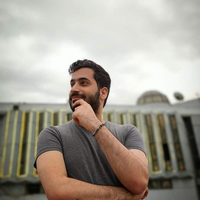
Yahya Ashour was born in 1998 in Gaza, Palestine. He was a 2022 IWP Fellow in Writing at the University of Iowa. He spoke and read poetry in several American universities and organizations. He studied sociology and psychology and worked at several organizations in Gaza as a creative writing mentor for children and young adults.
-
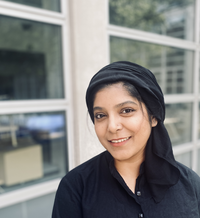
Taher highlights the place construction of first-generation immigrant Bangladeshi women living in New York, mainly by examining their dwellings and a network of locations within their residential environments and analyzes research participants’ physical and sensory ways of reconstructing spatial memories and their bodily experiences of transnational displacement.
-
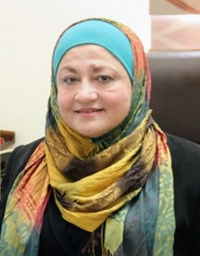
The paper discusses the impact of Syrian refugees on the Jordanian economy and infrastructure, as well as the challenges and opportunities for their integration. It argues that the Syrian presence has both positive and negative effects on various sectors, such as public services, housing, trade, and the labor market. It highlights the role of donor funding..........
-
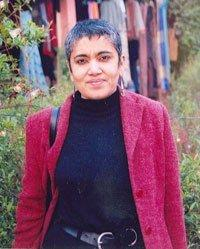
This talk will attempt to defamiliarize the history of this political demand. It does so by locating the question of the future of India alongside the future of Indians in the British empire. It aims to intervene in both a long-standing scholarship that had naturalized the transition from empires to nations and in the recent academic fascination with political forms ......
-
This talk revisits the Bhopal gas explosion of 1984 to consider the plural ways in which the Indian state has been imagined in its wake and to offer an example of what my larger book project, Reading Better States, calls a utopian method of reading. Bhopal has been dubbed the world’s worst industrial disaster and it is also a notorious example of environmental, corporate,